Announcing the Archlet x ORO Labs Partnership

How smart procurement teams work today
Most procurement teams have an AI assistant by now. The question is no longer whether agents belong in procurement. It is how teams work with them.
The teams that get the most out of agents have worked out two things: context and collaboration.
Context: an agent is only as good as what it can see
Give an agent a pasted email and it can only guess. Give it the whole request and it can do real work: who asked, what for, the budget, the timeline, the supplier’s contract, the prices already agreed, the benchmarks from a spend analytics tool like Sievo. After the sourcing event, add the bids, the scenarios and the award.
In most companies that context sits in different systems. Intake in one, contracts in another, sourcing in a third. Every time someone copies it across, a little gets lost.
Collaboration: people, agents and systems on the same request
A complex sourcing project involves the business user who needs the goods or services, procurement, a sourcing specialist and now agents that do the heavy lifting. They only work well together when they work on the same request, not on separate copies of it.
The same goes for the systems underneath. An intake tool and a sourcing platform that hand work to each other are worth more than two tools that each hold part of the story.
How ORO Labs and Archlet make this work
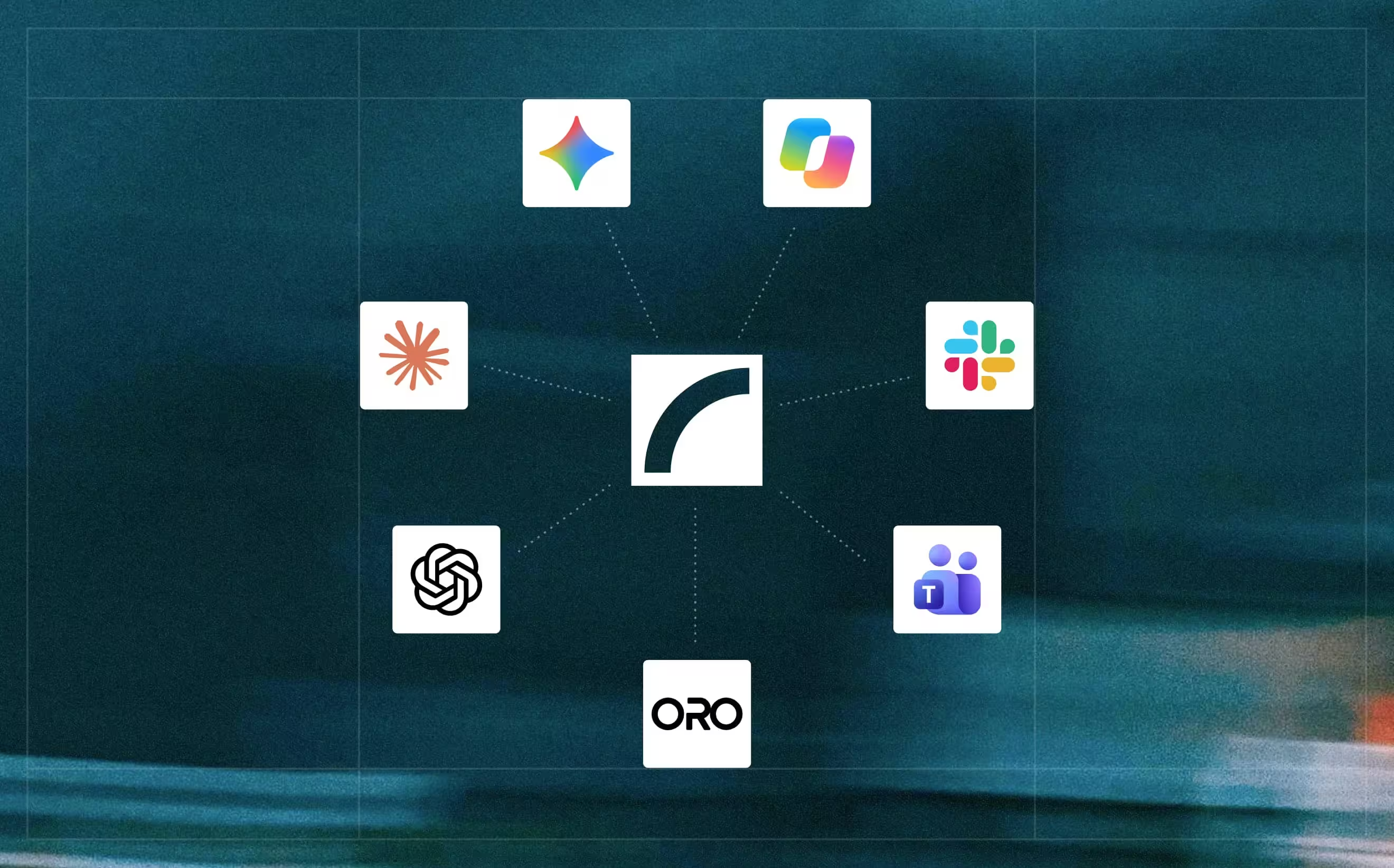
We are partnering with ORO Labs. Intake in ORO. Sourcing in Archlet. One flow.
ORO is the front door and the orchestration layer. Every request comes in there, and ORO applies policy and routing, so the right workflow and the right approvers are involved. It automates the steps around the request, like triage, supplier onboarding, risk checks and the PR, and connects systems through APIs and MCP.
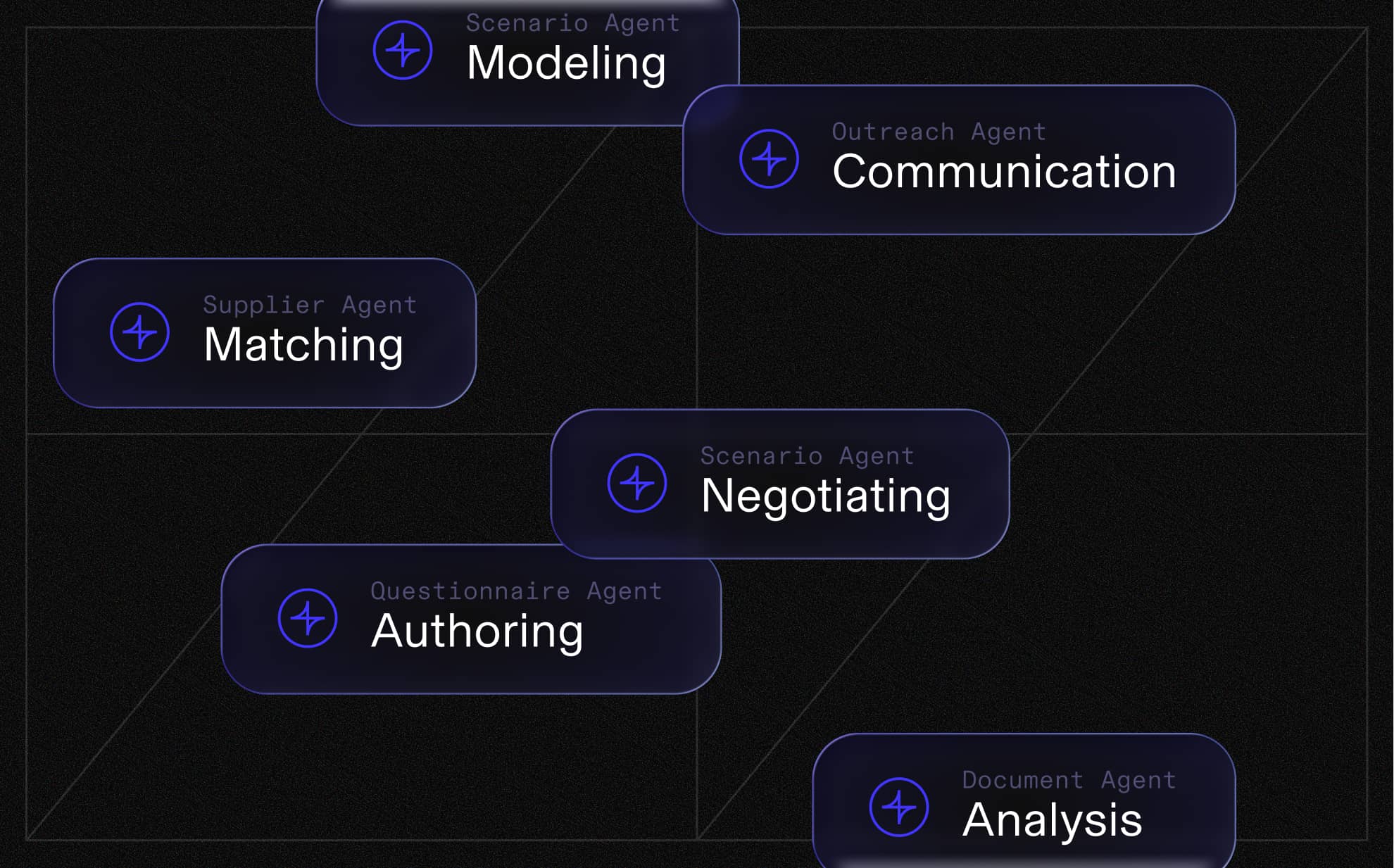
Archlet is where the sourcing happens: RFx and auctions, bid analysis with our AI agent Spark, scenario optimisation and award decisions, from strategic spend down to the tail.
When a request needs sourcing, ORO sends the business requirements, the budget, the supplier IDs, the start date and timeline and a project ID to Archlet. Archlet sends the event status and the award details back to ORO. The context is entered once and travels with the request.
Agents do the heavy lifting, people make the decisions
Agents classify the request, check contracts and preferred suppliers, benchmark and compare quotes, build the bid sheet and analyse the bids. They work across ORO and Archlet within the guardrails your company sets.
People make the commercial decisions. Procurement decides when to run a 3-bid-and-buy or a sourcing event, runs the negotiation and awards. The requester accepts the recommended quote or reviews and submits the PR. Nothing is awarded until a person has decided.
What it means for the business and for procurement
The business gets one place to follow a request, from submission to PR. A quote within benchmark goes straight through, and after an award the PR is already pre-filled. Procurement steps in where it matters: when a quote is off benchmark or does not match the contract, or when an event is needed. There is less chasing the business for updates and no re-keying between systems.
The teams that set this up now will be the ones whose agents have the full picture on every request that follows.
Want to see how ORO and Archlet could work together in your setup? Get in touch here: Link